Leave a Message

By providing your contact information to DiMaggio Betta Group, your personal information will be processed in accordance with DiMaggio Betta Group's Privacy Policy. By checking the box(es) below, you expressly consent to receive marketing or promotional real estate communication from DiMaggio Betta Group in the manner selected by you. For SMS text messages, message frequency varies. Message and data rates may apply. Consent is not a condition of purchase of any goods or services. You may opt out of receiving further communications from DiMaggio Betta Group at any time. To opt out of receiving SMS text messages, reply STOP to unsubscribe. SMS text messaging is subject to our Terms of Use.

Thank you for your message. We will be in touch with you shortly.

Mastering the Art of Home Pricing: Unlock Maximum Market Value

Pricing a home accurately while considering factors such as the quality of work, design, layout, and condition is crucial for attracting potential buyers and maximizing the sale price. Here’s an outline to guide you through the process:
1. Conduct a Comparative Market Analysis (CMA)

  • Research Comparable Sales: Identify recent sales of similar properties (in terms of size, location, and age) within the same area.
  • Adjust for Quality of Work, Design, and Condition: If your property has superior craftsmanship, custom design, or has been recently renovated, price it slightly higher than similar but less upgraded homes.
  • Evaluate the Market Conditions: Are homes selling quickly or staying on the market for long? Adjust your pricing accordingly based on current demand.

2. Assess the Quality of Work

  • Materials Used: Homes with high-end finishes (e.g., marble countertops, hardwood floors) can command a higher price.
  • Craftsmanship: Custom work, detailed trim, high-quality cabinetry, and superior construction add value.
  • Energy-Efficiency and Smart Technology: Homes with energy-efficient appliances, smart home technology, or eco-friendly designs can appeal to buyers willing to pay more.

3. Evaluate the Design and Layout

  • Functional Layout: Open floor plans, spacious kitchens, and well-designed living spaces tend to add value.
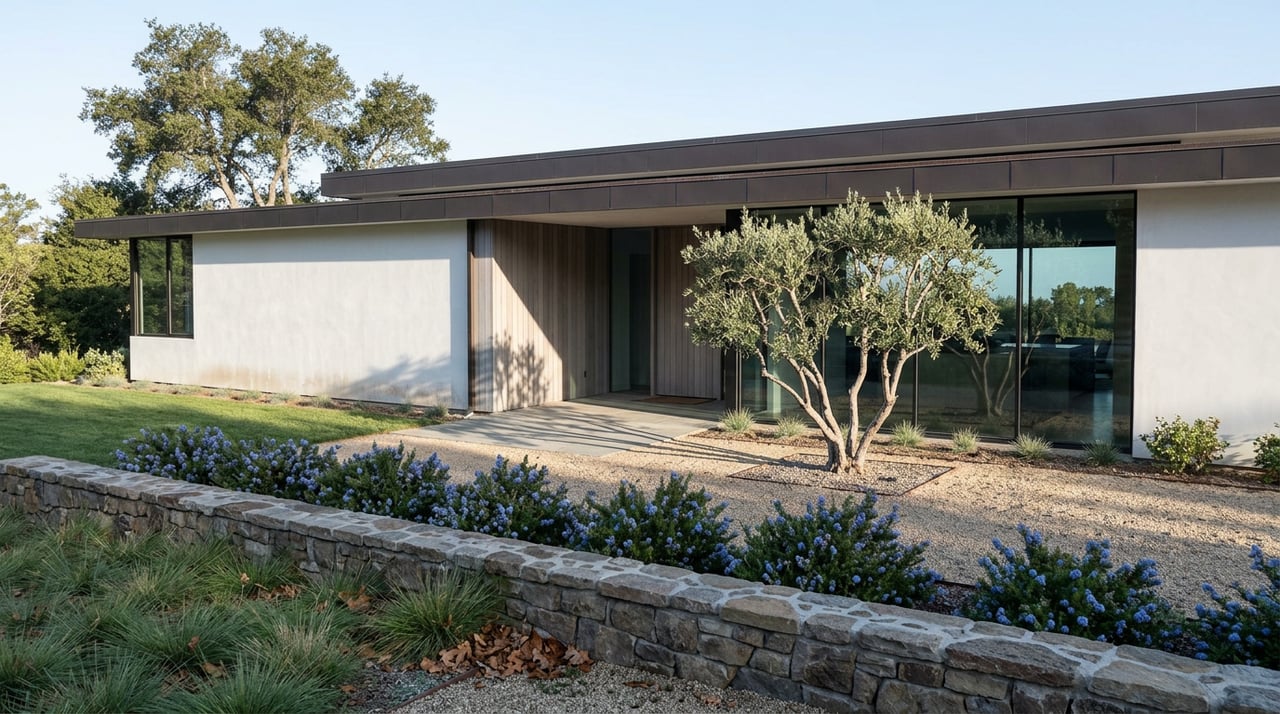
  • Aesthetic Design: Unique or upscale design elements, such as large windows with great views, custom-built fireplaces, or a modern architectural style, can attract higher offers.
  • Customization Potential: Homes with flexible spaces or rooms that can be easily customized to the buyer’s preferences are appealing.
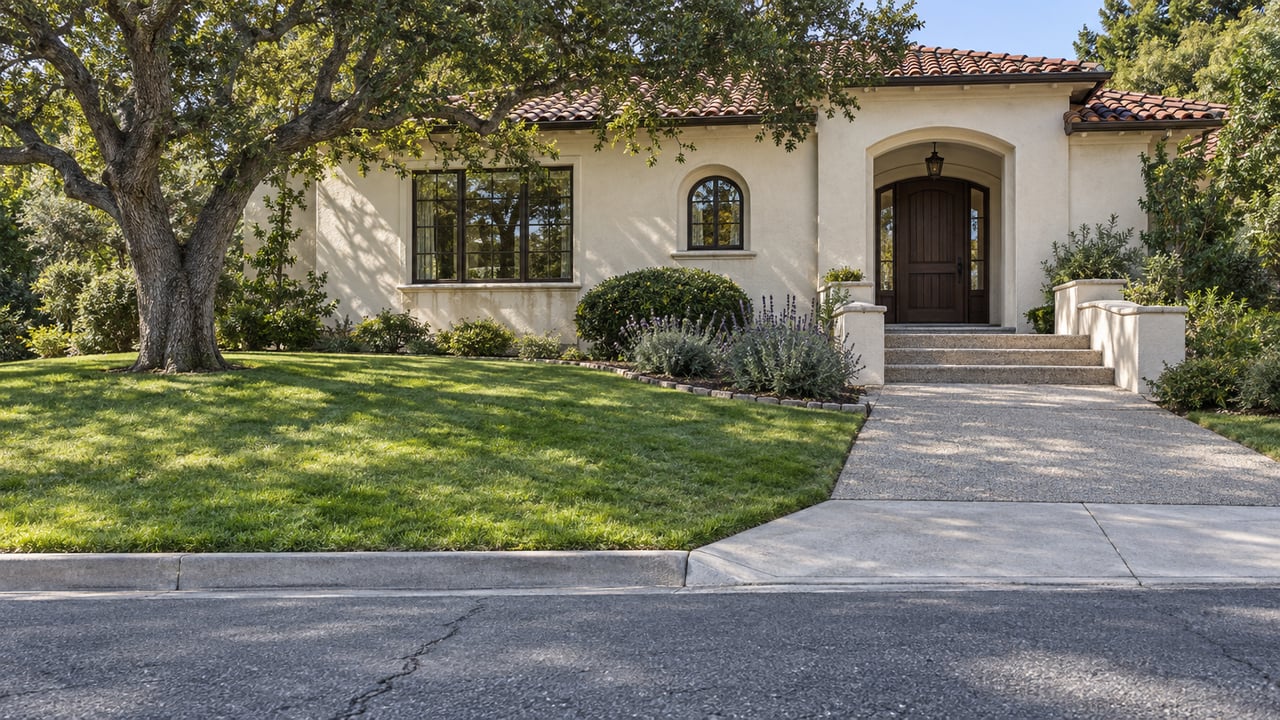
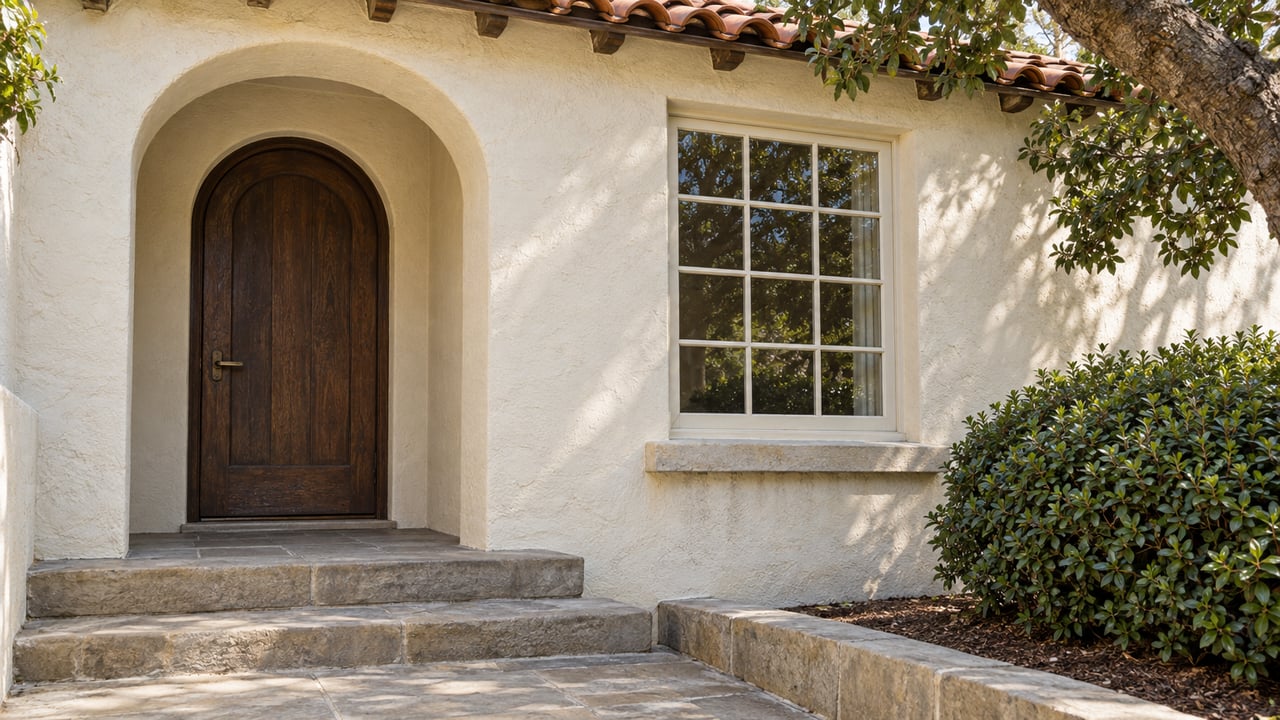
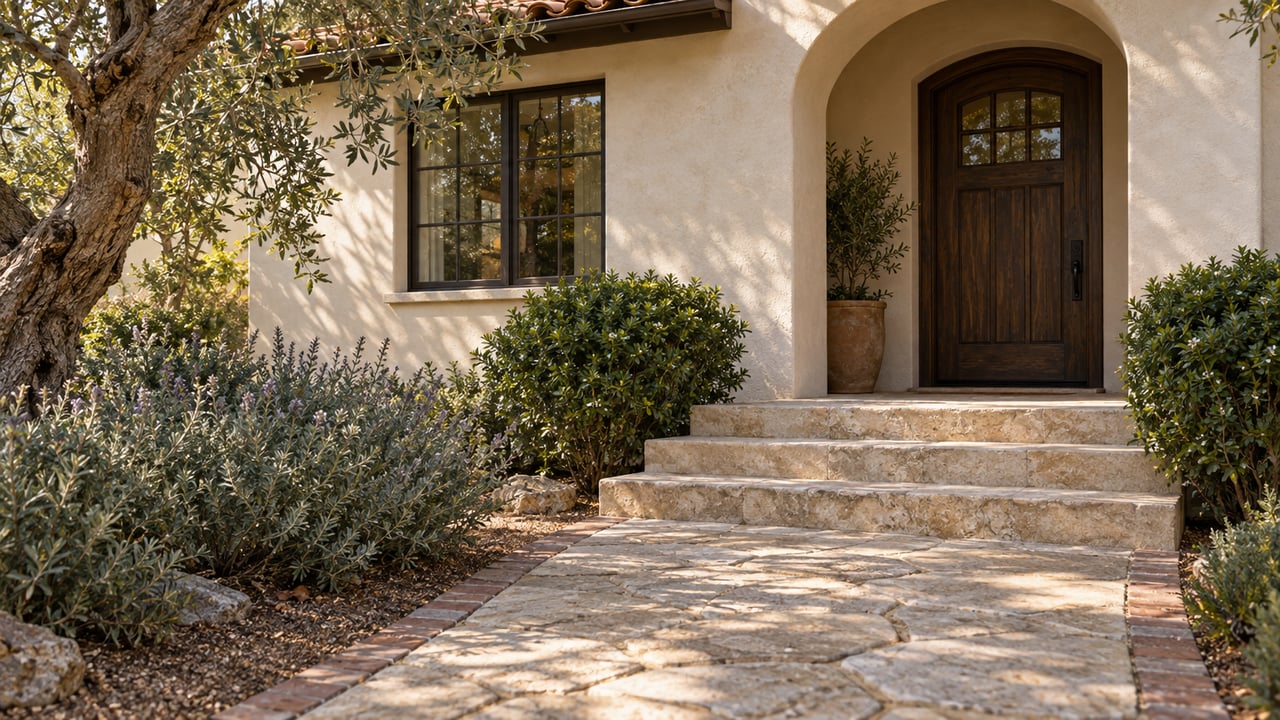
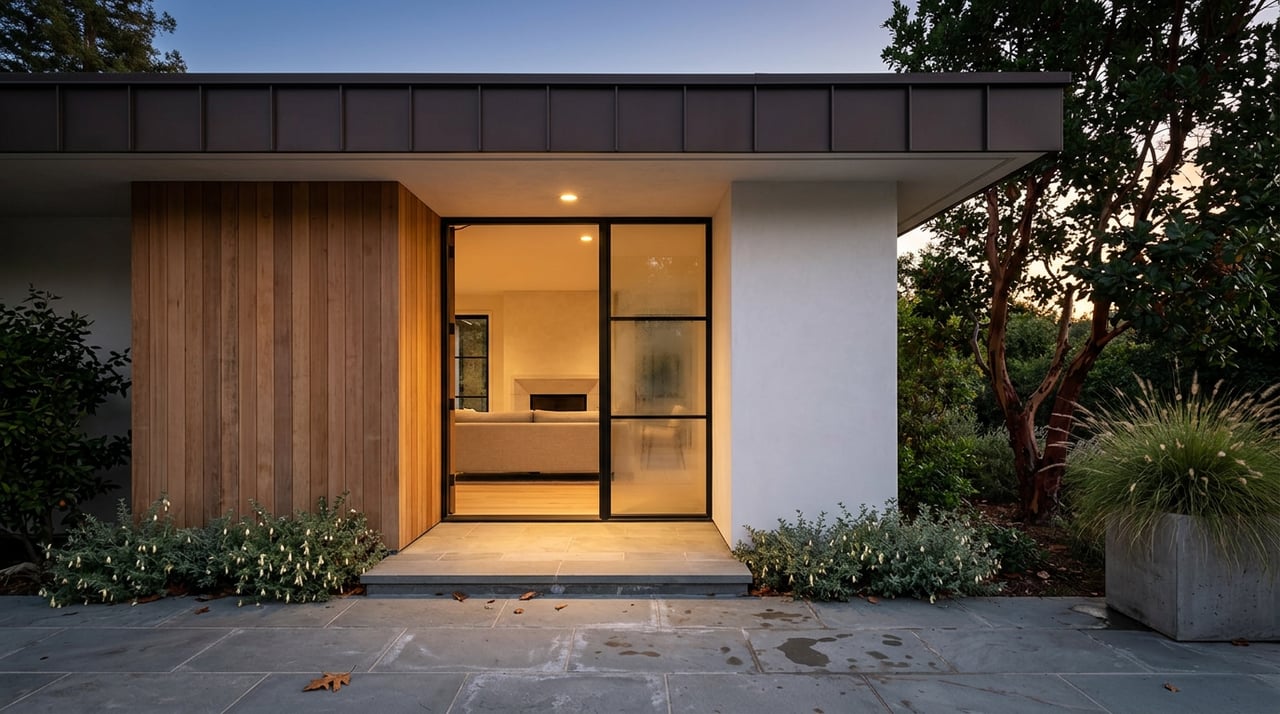
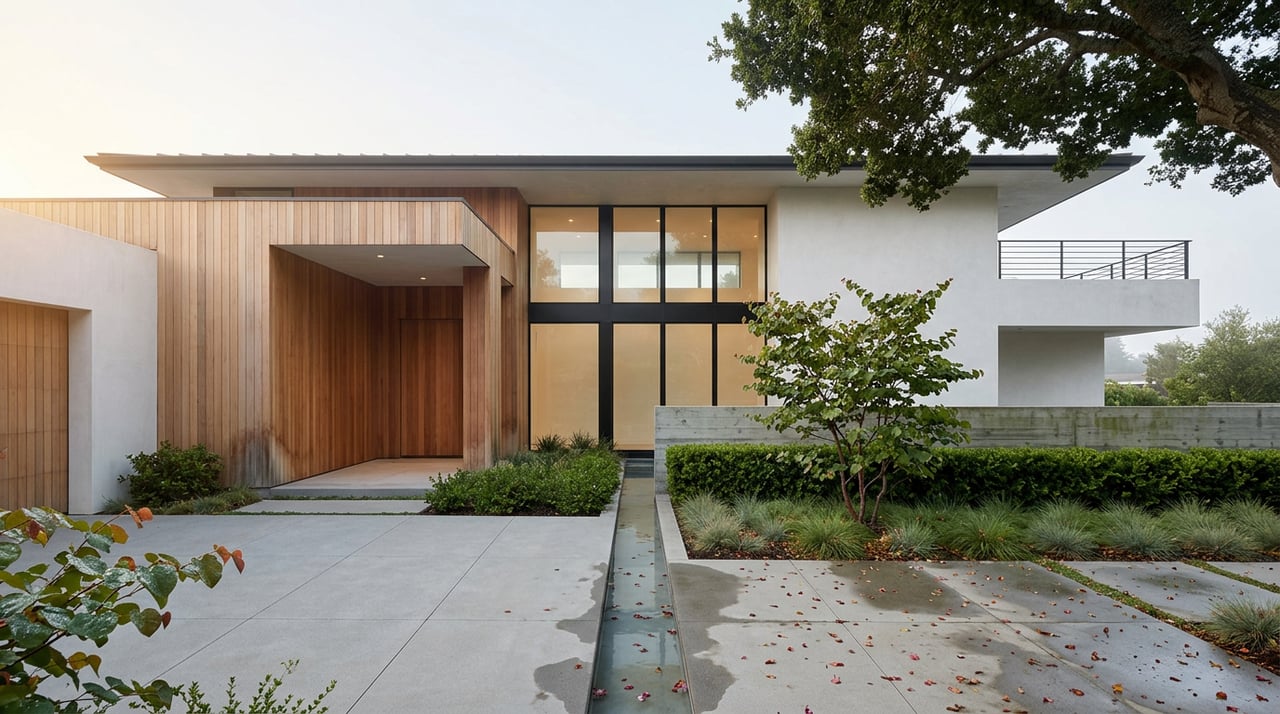
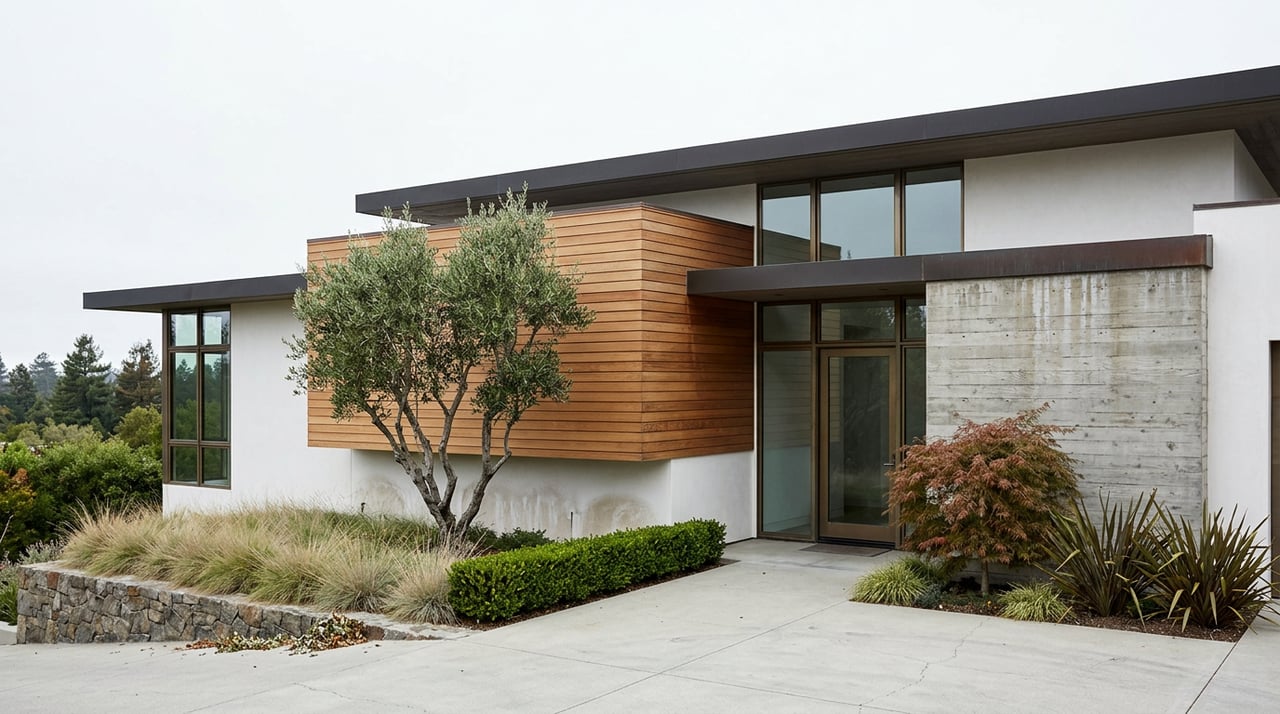
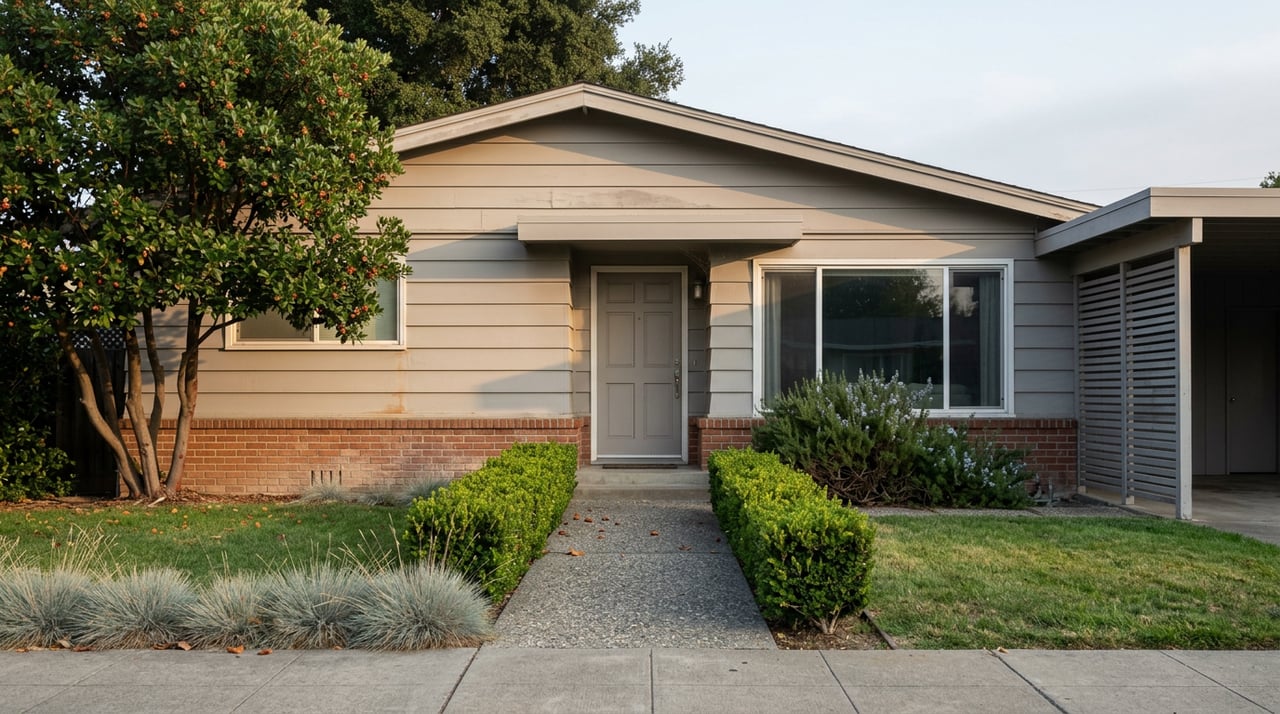
  • Curb Appeal: The exterior design (roofline, landscaping, entrance) significantly impacts first impressions and pricing.

4. Condition of the Home

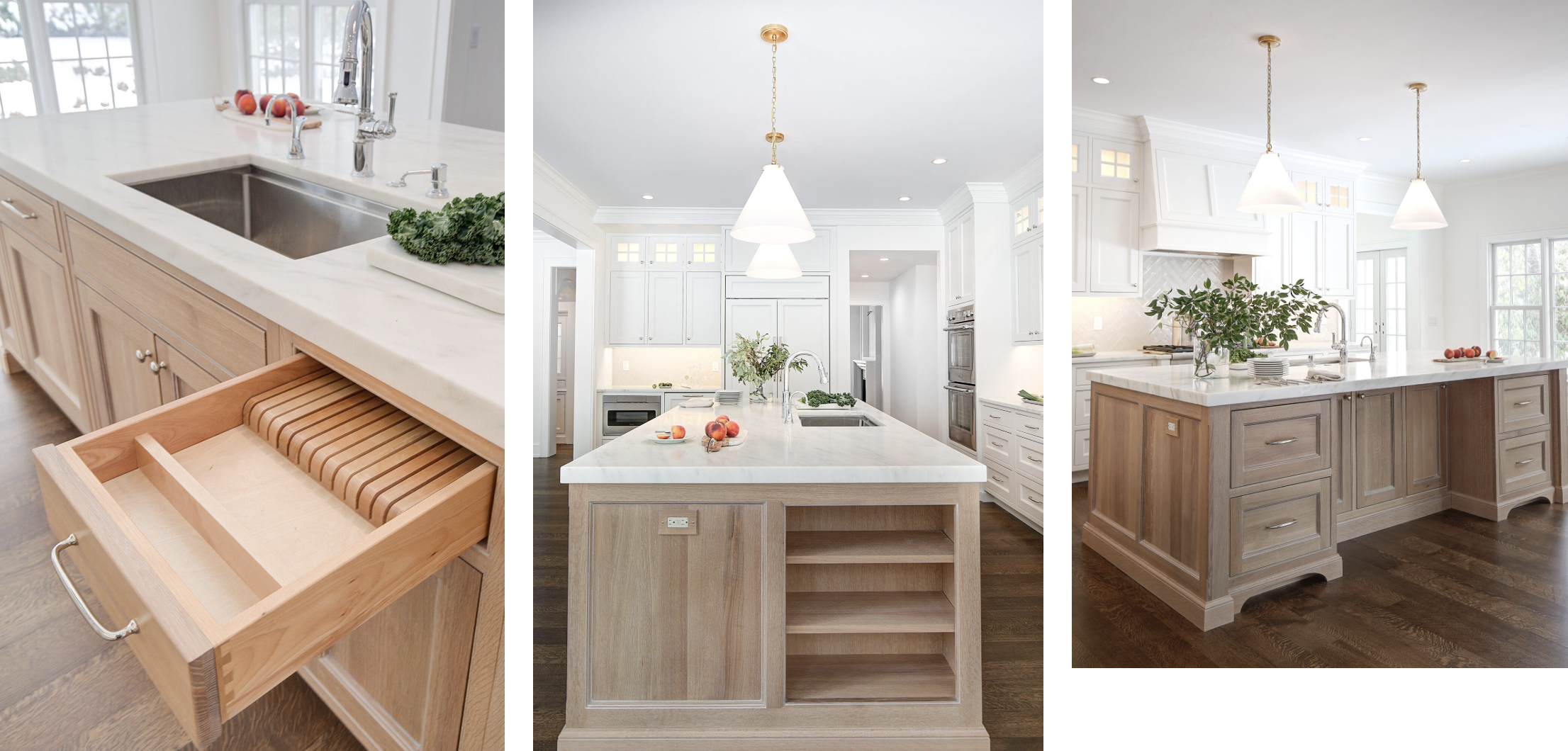
kitchen features

  • Overall Condition: The age of major components (roof, HVAC, plumbing, electrical) should be factored in. A home in move-in-ready condition will fetch a higher price compared to one needing repairs.
  • Renovations and Updates: Recent renovations in kitchens, bathrooms, or outdoor spaces boost value.
  • Maintenance: Well-maintained homes (no visible wear, fresh paint, updated appliances) should be priced higher than homes requiring immediate attention.

5. Consider Location and Surrounding Amenities

  • Neighborhood Desirability: Proximity to good schools, parks, public transportation, and shopping increases a home’s value.
  • Safety and Community: Low crime rates, friendly communities, and neighborhood upkeep contribute to higher pricing.

6. Use Professional Appraisals

  • Get a Pre-listing Appraisal: A licensed appraiser can provide an objective evaluation of the home’s worth based on comparable sales, quality of work, and overall condition.
  • Include Upgrades: Ensure that any significant upgrades or renovations are clearly documented and presented to the appraiser.

7. Highlight Unique Selling Points (USP)

  • Special Features: Custom features like a wine cellar, home theater, or outdoor kitchen can justify a premium price.
  • Architectural Style: Unique architectural designs or historical significance can make your home stand out in the market.

8. Factor in Timing

  • Seasonality: Real estate markets tend to heat up in spring and summer, often allowing sellers to price homes higher. Consider seasonal trends.
  • Economic Factors: Keep an eye on mortgage rates, inflation, and local employment trends, as these will affect buyers’ ability and willingness to pay.

9. Price Competitively and Strategically

  • Avoid Overpricing: Overpricing can lead to extended time on the market, which may force price reductions later. It’s better to price competitively to attract multiple offers.
  • Consider Buyer Psychology: Setting a price just below a psychological barrier (e.g., $499,000 instead of $500,000) can attract more interest.
  • Leave Room for Negotiation: Set a price that allows some negotiation without compromising your target price.

10. Monitor and Adjust

  • Track Market Feedback: If you receive a lot of interest quickly, you may have priced it right or too low. If there’s little interest, consider adjusting the price based on feedback.
  • Stay Flexible: Be willing to adjust your price if the home is not generating expected offers within a reasonable time frame.

Allow The DiMaggio Betta Group to help you achieve the best price for your home and investment. Connect with us. DiMaggio Betta Group, Debbi DiMaggio and Adam Betta

A Team Invested in Your Success

At DiMaggio Betta Group, luxury isn't defined by a price tag—it's defined by the level of service every client receives. We combine decades of experience, innovative marketing, and personalized strategies to ensure every property receives maximum exposure and every client enjoys a seamless, results-driven experience. Whether you're buying, selling, or investing, we're committed to exceeding expectations at every step.